Food & drink
Chaunsa, Sindhri, Anwar Ratol: a guide to Pakistani mangoes and how to get them abroad
Pakistanis will argue about many things, but not about whether their mangoes are the best in the world. Here is which one to look for, when, and how they reach you.
Some links in this guide are commission links: if you buy, we may earn a small fee at no cost to you. How we earn.
In this guide
Every summer, Pakistan goes quietly mad. Pakistani mangoes are bought by the crate, children eat them in the bath, offices argue about which variety is best, and boxes are packed and flown to relatives in Dubai, London and Toronto. Pakistan even sends mangoes to foreign leaders as gifts, a habit known as mango diplomacy.
Pakistan is one of the world’s largest mango producers, growing well over a million tonnes a year in Sindh and southern Punjab. This guide covers the varieties to know, when each is in season, and how to get them if you live abroad.
The mango season in Pakistan
The season runs for about five months. It starts in mid-May in Sindh, where the heat arrives first, and moves north into Punjab, with late varieties lasting into September. Each variety has its own short window, so what you can buy changes every few weeks.
The varieties to know
Sindhri
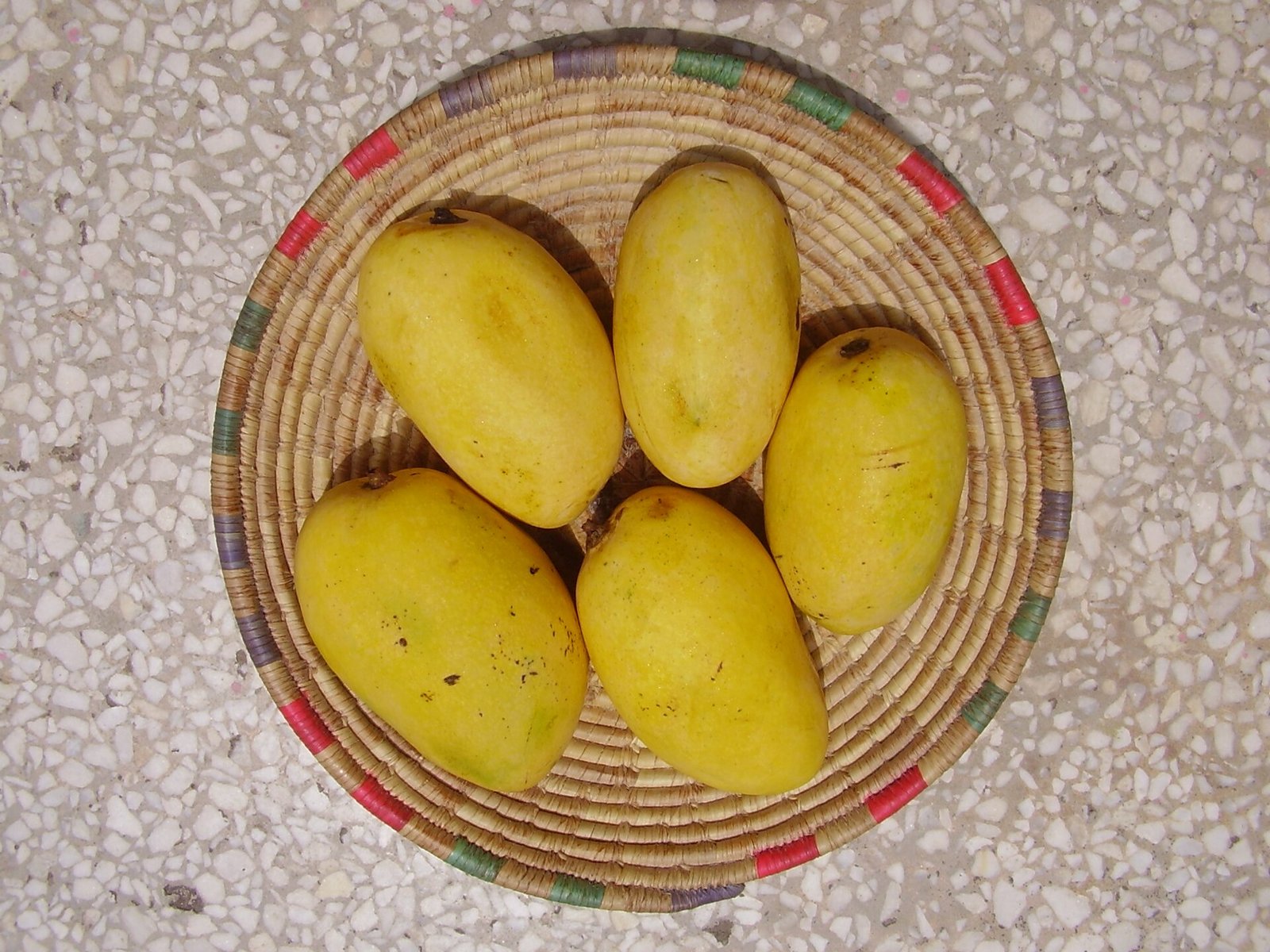
The first big mango of the season, from Sindh, originally from the Mirpur Khas area. Large, long and smooth-skinned, with sweet, mild, juicy flesh. Sindhri is often the first Pakistani mango to reach shops abroad each year.
Chaunsa
The one Pakistanis dream about. Grown around Multan and Rahim Yar Khan in southern Punjab, Chaunsa is golden-yellow, intensely sweet and fragrant, with soft, almost fibre-free flesh. It has several types:
- Safaid (white) Chaunsa, the main later-season type and the one usually exported, because it keeps longer.
- Kala (black) Chaunsa, darker-skinned.
- Azeem Chaunsa, a late, high-yielding type picked from mid-August to mid-September.
The name is said to come from Sher Shah Suri, the 16th-century ruler who defeated the Mughal emperor Humayun at Chausa in 1539 and named his favourite mango after the victory.
Anwar Ratol
Small, unremarkable to look at and extraordinarily sweet. Anwar Ratol has a cult following and a short season in early summer. If you see it, buy it.
Langra
Stays green when ripe, which confuses newcomers. Tangy-sweet and aromatic, available roughly May to July in southern Punjab.
Dasheri, Almas and others
Pakistan grows dozens of varieties, including Dasheri, Almas, Saroli, Gulab Khas and Fajri. Most stay in local markets.
When to buy each one
| Variety | Roughly in season | From |
|---|---|---|
| Sindhri | Late May to July | Sindh |
| Langra | May to July | Southern Punjab |
| Anwar Ratol | June to July | Punjab |
| Chaunsa | July to August | Southern Punjab |
| Azeem Chaunsa | Mid-August to mid-September | Punjab |
Seasons shift a little each year with the weather, and recent hot summers have pulled the early harvest forward.
How to buy Pakistani mangoes abroad
United States
For years, Americans who wanted Chaunsa had to drive to Canada for it. The USDA opened the US market to Pakistani mangoes in 2011, on the condition that they are irradiated to kill pests. The first shipment, all Chaunsa, arrived in Chicago in July that year after treatment at an irradiation facility in Iowa. Supply is still limited and expensive, and much of it moves through South Asian grocers and community WhatsApp groups that organise group orders in season.
Canada
Toronto, Mississauga and other cities with large Pakistani communities get mangoes in season through South Asian grocers. Prices per box are high, but the queues tell you they sell.
United Kingdom
Pakistani mangoes are widely available in season in UK South Asian grocers and some larger supermarkets, especially in Birmingham, Bradford, Manchester and London.
UAE and the Gulf
The Gulf gets the widest choice, with Sindhri, Chaunsa and other varieties in supermarkets and grocers through the summer.
Ordering from Pakistan
Some sellers ship boxes by air directly from Pakistan in season. Check carefully:
- Import rules: many countries restrict fresh fruit imports. The seller should tell you whether they can legally deliver to your country, and how.
- Delivery date: mangoes need to arrive within a few days of packing.
- Packaging: individually padded fruit in a sturdy box.
- Variety and grade: ask exactly which variety you are getting, and its weight.
If you are sending something to family and mangoes are out of season, our guide to gifts from Pakistan has ideas that travel more easily.
How to choose and ripen them
- Smell the stem end. A ripe Pakistani mango smells sweet and floral.
- Press gently. It should give a little, like a ripe peach.
- Ignore the colour for Langra and some others, which stay green.
- Ripen at room temperature, in a paper bag if they are hard. Refrigerate only once ripe, and not for long.
- Wrinkled skin is fine on a Chaunsa. It often means it is very sweet.
How Pakistanis eat them
The traditional way to eat a soft, juicy Chaunsa is to roll it between your hands to soften the flesh inside, nip off the top and squeeze the pulp straight into your mouth. Messy, and correct. Otherwise:
- Sliced into “cheeks” and scored into cubes.
- Mango lassi or mango milkshake, blended with cold milk.
- Mango kulfi and ice cream.
- Aam ras, chilled mango pulp eaten with a spoon.
- Raw green mango goes into pickles and chutneys.
Outside mango season, Pakistan’s other famous fruits travel better: sun-dried Hunza apricots from the north, and chilgoza pine nuts from Balochistan.
Hunza apricotsخوبانی
Sun-dried apricots and apricot oil
Sun-dried on rooftops in the valley below Rakaposhi.
Chilgoza pine nutsچلغوزہ
Long pine nuts, roasted in the shell
Winter’s most prized snack, from the pine forests of the Suleiman mountains.
Questions people ask
When is Pakistani mango season?
From about mid-May to September. Sindhri from Sindh comes first, Chaunsa from southern Punjab peaks in July and August, and late types run into September.
Which Pakistani mango is the best?
Most Pakistanis say Chaunsa for its sweetness and fragrance, though Anwar Ratol and Sindhri have devoted fans.
Can you buy Pakistani mangoes in the USA?
Yes, in season. They have been allowed since 2011 if irradiated, and are sold through South Asian grocers and community group orders, often at high prices.
Why are Pakistani mangoes irradiated for the US?
To kill fruit pests, which the USDA requires for mango imports from Pakistan.
What is the difference between Chaunsa and Sindhri?
Sindhri is an early, large, mild mango from Sindh. Chaunsa is a later, smaller, very sweet and fragrant mango from southern Punjab.